Dear members, supporters, and friends of the Coral Sea Foundation, welcome to the July 2026 edition of Coral Sea News.
We are excited to share highlights of our work from the first half of 2026 across the Great Barrier Reef and Papua New Guinea, in partnership with the Sea Women of Melanesia.

Gabagaba Reef Survey Training Expedition – Central Province, Papua New Guinea
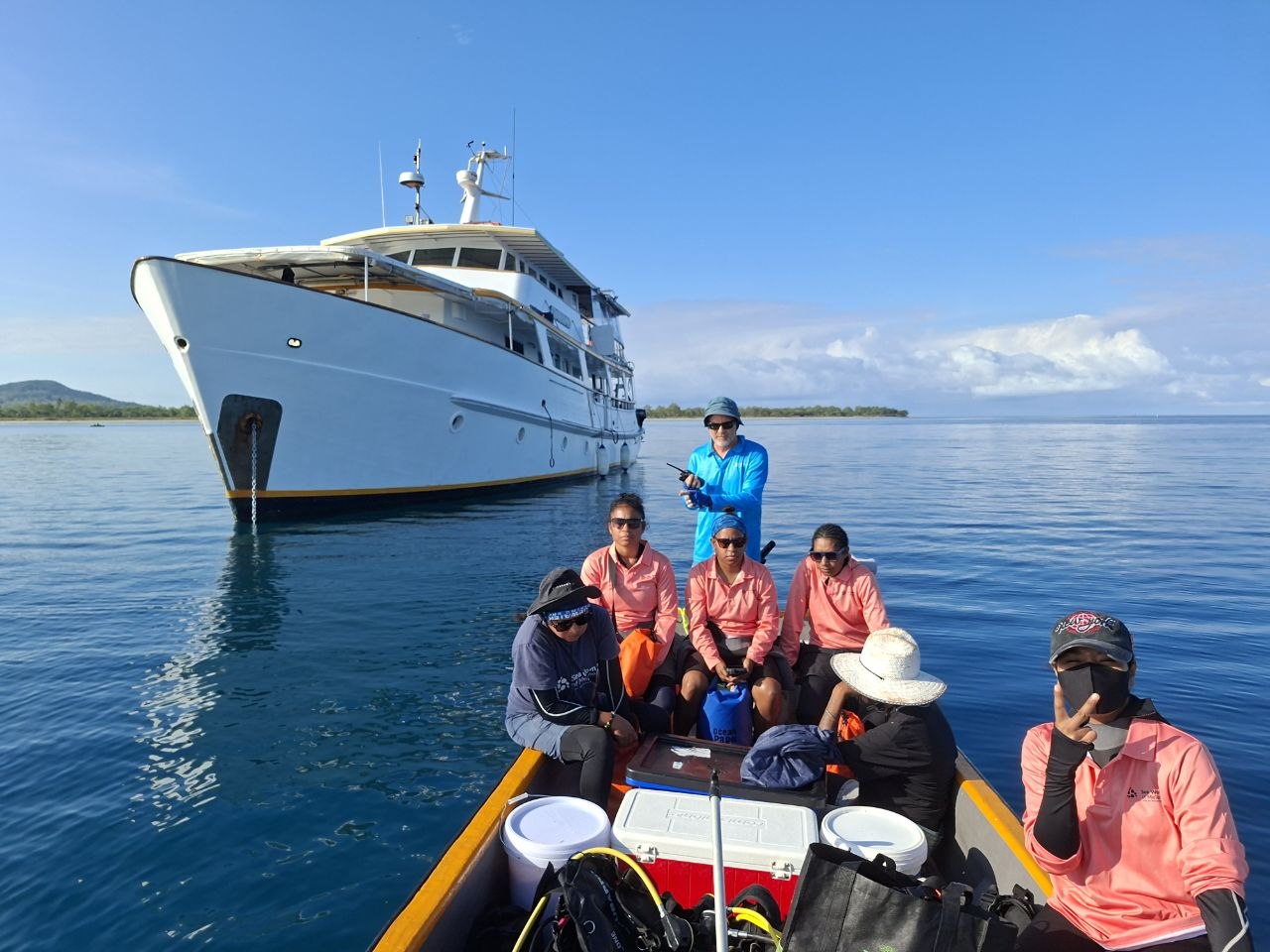
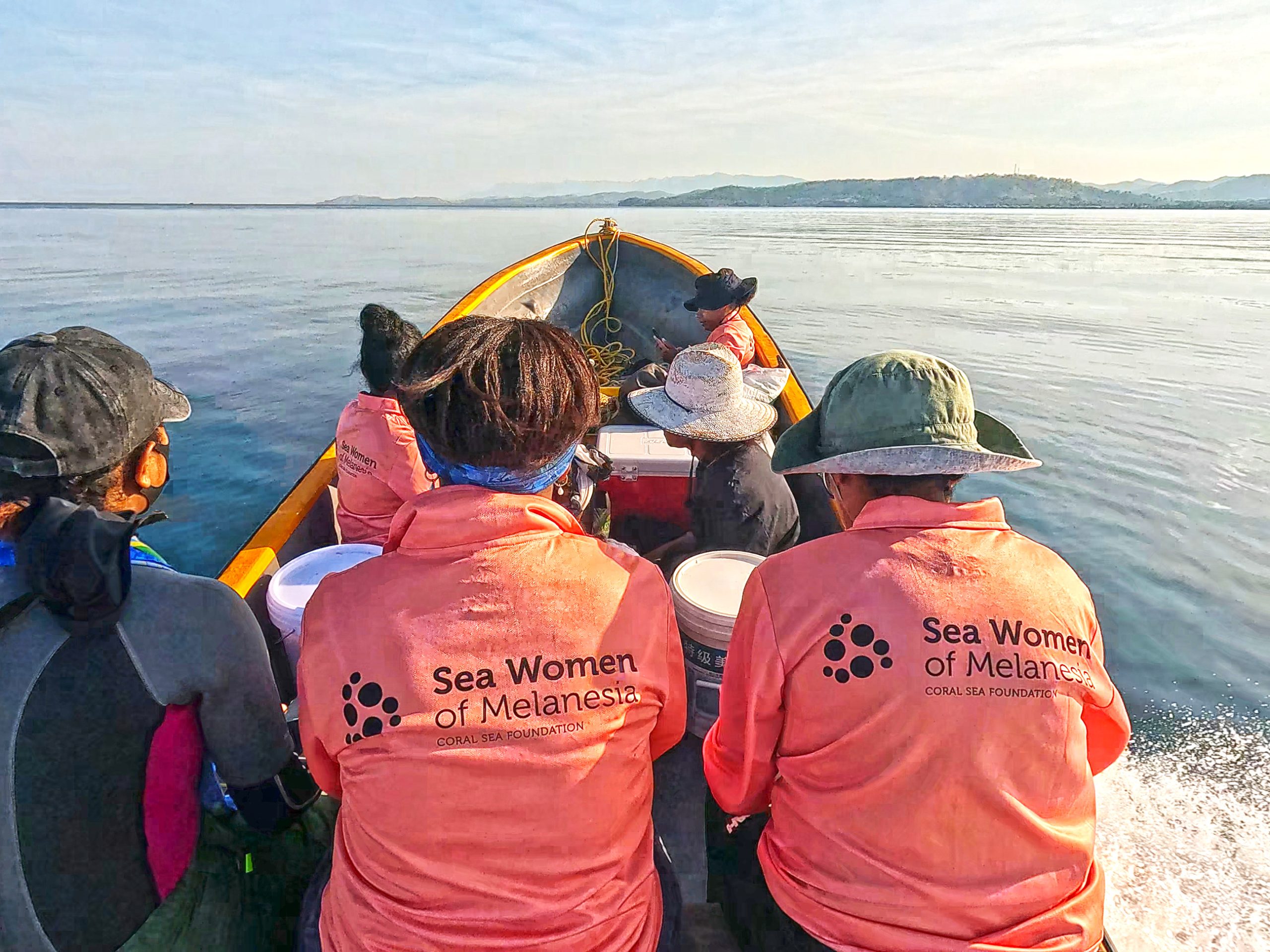
One of the major highlights of the first half of 2026 was the Sea Women of Melanesia reef survey training expedition to the proposed Gabagaba Locally Managed Marine Area in Central Province, Papua New Guinea.
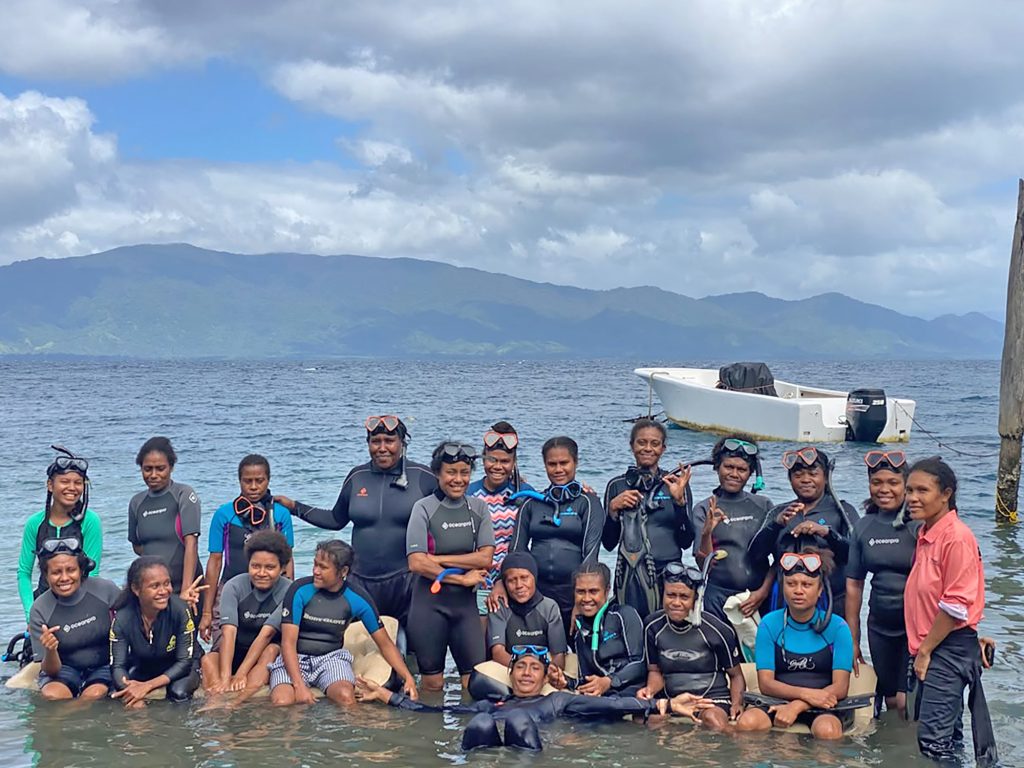
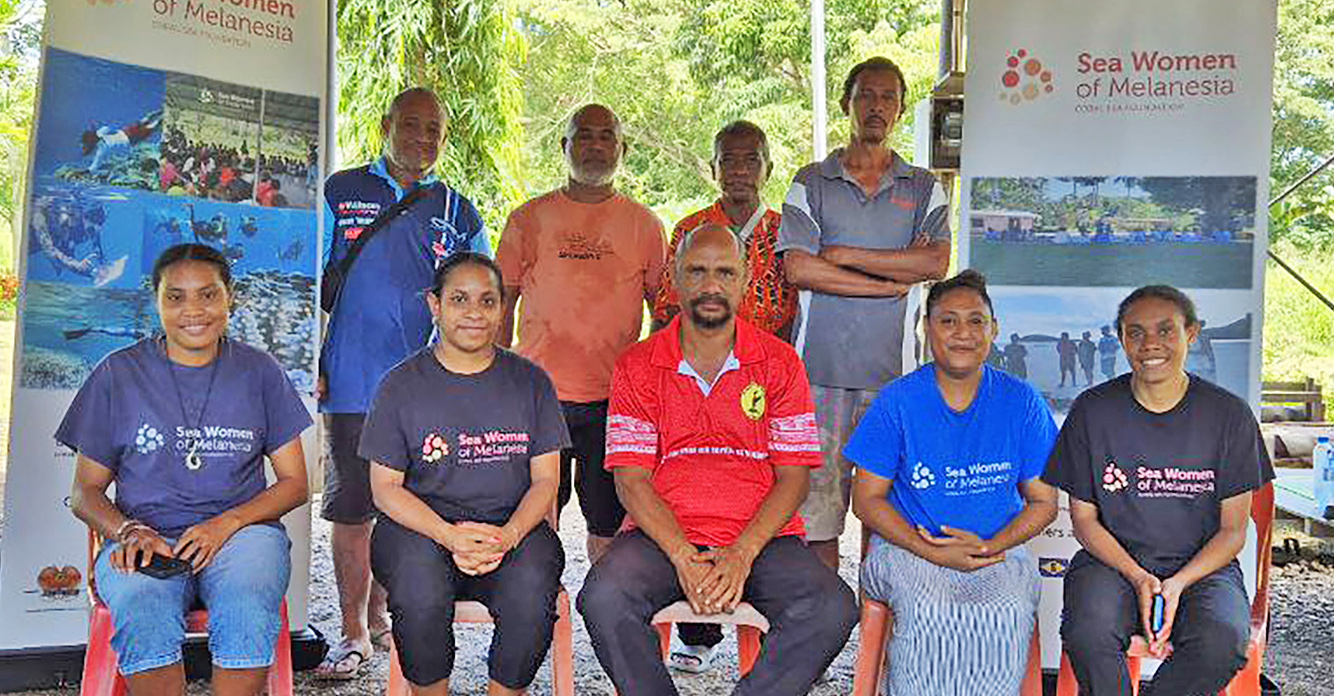
Working aboard MV Golden Dawn, the Sea Women team spent four days on site, supporting the Gabagaba community to build the scientific foundation for long-term community-led reef management. The expedition brought together SWoM members from Port Moresby and Milne Bay, Coral Sea Foundation Director Dr Andy Lewis, local fishers, community representatives and the crew of Golden Dawn.
Across the field program, the team established ten permanent 50 metre reef monitoring transects at key sites including Lai Daeroa, Iuana and Lokoru Motu. The women collected 708 geotagged reef images for analysis through ReefCloud.Ai, practised the use of Garmin Montana 700 GPS units for site relocation, and worked through post-survey image processing, quality control and data upload.
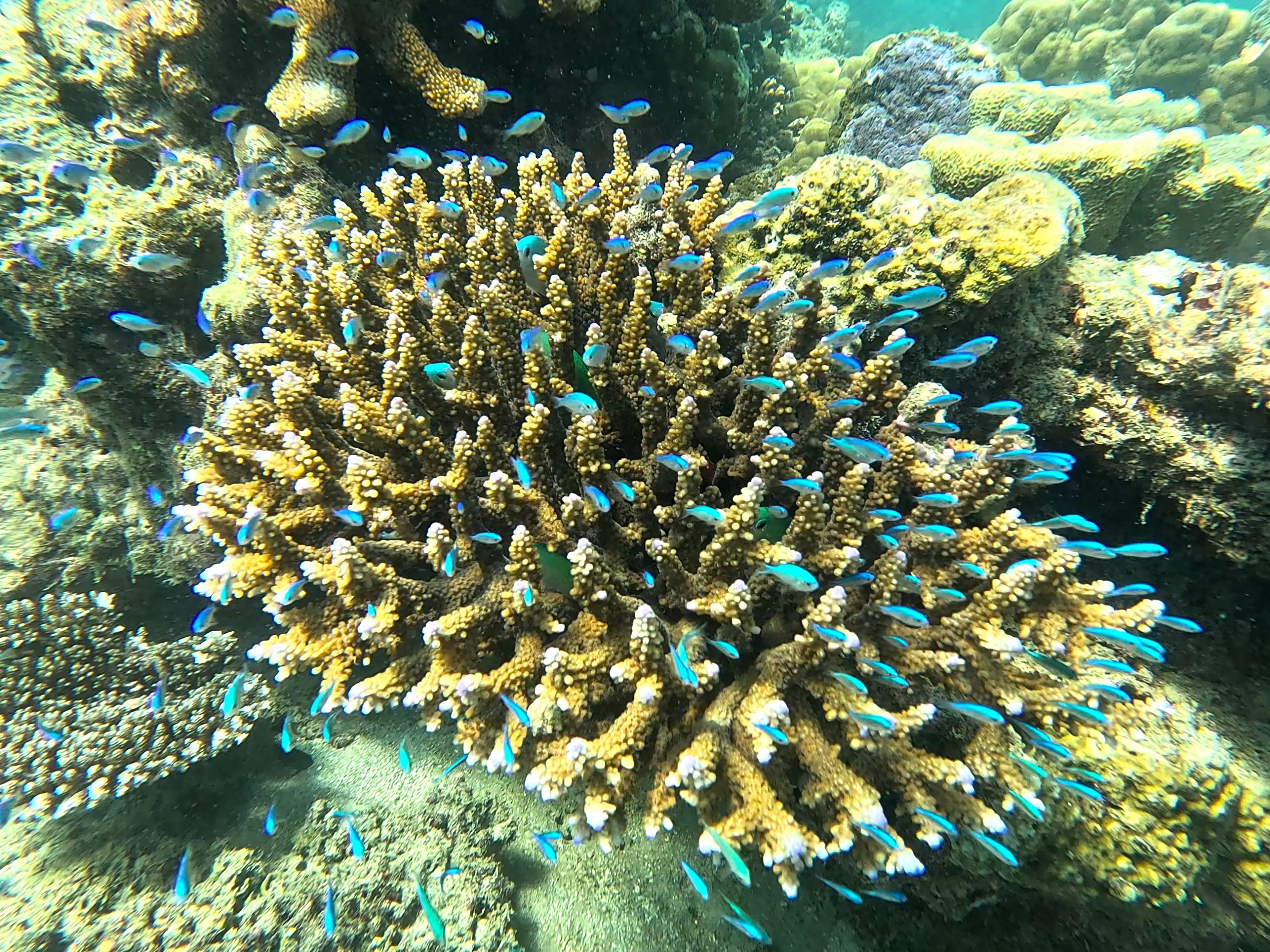
Lokoru Motu was a particular highlight, with extensive live coral cover and strong reef structure providing an encouraging snapshot of reef condition inside the proposed LMMA. At other sites, observations of blast-fishing damage reinforced the importance of regular monitoring, early detection and practical management response.
The successful Gabagaba expedition was a significant milestone for the Coral Sea Foundation, the Sea Women of Melanesia, and our partners at Olgeta Foundation. It tested our combined capability to deliver remote area training programs and marine science vessel operations, an important step in expanding the geographic scope of our marine conservation and community engagement work in Papua New Guinea.
New multi-donor support expands SWoM expedition operations
The Gabagaba expedition also demonstrates the importance of the new multi-donor support now strengthening the Sea Women of Melanesia program.
For an Indigenous women-led conservation organisation working across the remote seascapes of Papua New Guinea, reliable expedition capacity is not a luxury. It is the practical enabler of community engagement, reef survey work, LMMA planning, training, equipment transport, and humanitarian support in locations that are often difficult or impossible to reach safely in small boats.
SWoM is now being supported by a remarkable coalition of international philanthropic institutions and program partners, including the Paul M. Angell Family Foundation, Tanka Foundation, Oceans 5, Sall Family Foundation, Prince Albert II of Monaco Foundation, the OCEAN Grants Programme, Irish Aid, Olgeta Foundation, Rumah Foundation, and the Australian Institute of Marine Science.
This support is helping SWoM move from recognised success into expanded delivery: more field expeditions, more community training, more reef monitoring, stronger data systems, and practical support for partner villages working to protect their own reefs and marine resources.
Milne Bay Province – conservation, recovery and community leadership after Cyclone Maila
In Milne Bay Province, the Sea Women of Melanesia team continued to show that trusted local conservation teams can also play a vital role in community resilience and recovery.
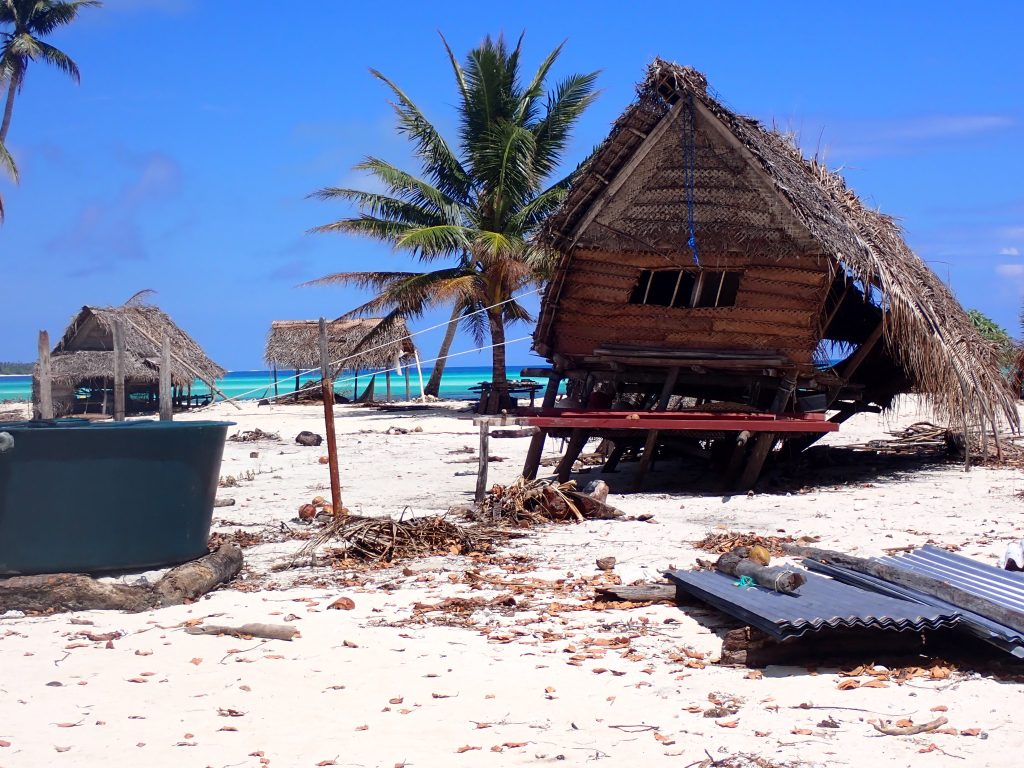
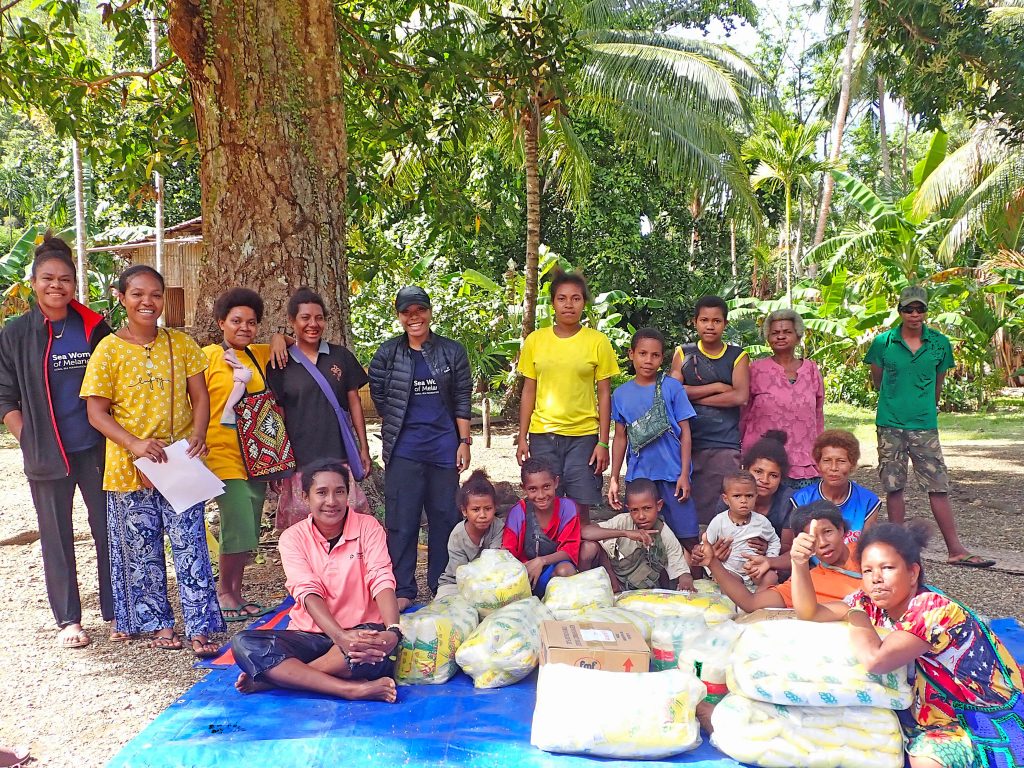
Category 5 Cyclone Maila affected a huge area of the Solomon Sea and much of the Milne Bay Province in early April 2026, with over 7 days of torrential rain and storm force winds which destroyed houses, food gardens, and impacted local fisheries. The Milne Bay Sea Women of Melanesia team were included in provincial disaster relief efforts; over three separate expeditions, they engaged more than 20 affected island communities and completed health and damage assessments, delivered food and medical aid, and supported liaison between the communities and local government. This response reflects a core strength of the SWoM model: reef conservation is built on long-term trust, and those same relationships matter when communities are under pressure from severe weather, food insecurity, damaged infrastructure and limited access to services. We thank our fantastic program partners at Rumah Foundation, Tanka Foundation, Sall Family Foundation and Paul M. Angell Family Foundation, who rapidly made additional funding available which allowed the SWoM team to independently purchase aid materials and charter delivery vessels and vehicles. Over the latter half of the year, the SWoM team will begin the underwater surveys of the coral reefs in our partner LMMAs to assess the cyclone impacts on the marine ecosystems of the province.
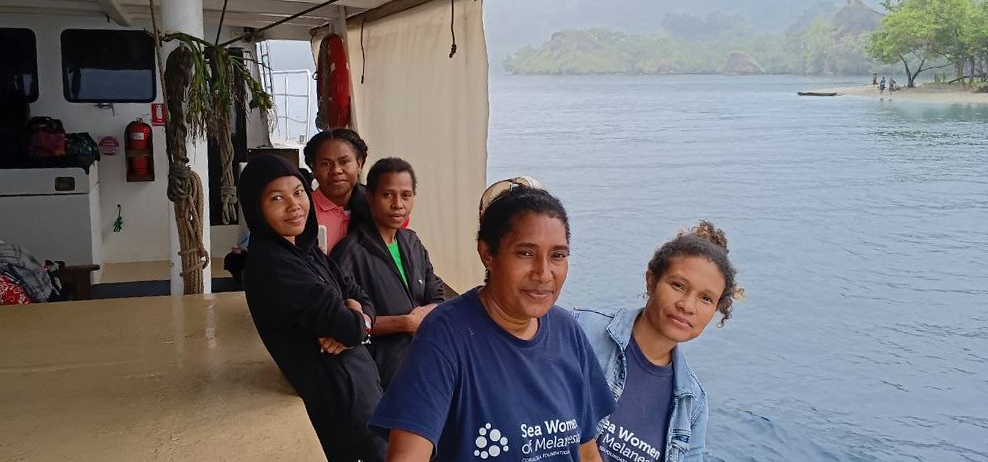
In June, the Milne Bay team also delivered a major SWoM Community Representatives Training Workshop in Alotau, bringing together 19 women from 10 communities across the province. The workshop introduced our female community representatives to Locally Managed Marine Areas, reef ecology, sustainable fishing, field safety, reef monitoring, and the role of women in village-level marine stewardship. Education and training of this type is vital to ensure that our SWoM representatives in our partner villages can perform their role effectively, as both advocates for the marine protected areas and liaison between the SWoM reef survey teams and the community leaders.
This Community Representatives training stream forms part of SWoM’s three-tier training model, alongside the Core SWoM field operations team and SWoM organisational managers. Together, these training streams build capacity at the community, field-team and organisational levels, while keeping Melanesian cultural knowledge and female leadership at the centre of the program.
We thank the Milne Bay Sea Women of Melanesia, our partner communities, provincial agencies, and all donors who are helping the team support reef protection, community resilience and women’s leadership across this globally significant marine biodiversity hotspot.
Port Moresby and Central Province – Community Education and Training
The Port Moresby Sea Women of Melanesia team has had a very active first half of 2026, with a growing program of community engagement, reef survey training and LMMA support across Central Province.
At Tubusereia, the team continued working with local leaders, LMMA committee members and the IMOLDA association to support the next steps in community-led marine management. This builds on earlier SWoM reef survey work at Kepo, Mumuna and Neganega, where the team established GPS-marked monitoring transects, collected reef imagery, completed fish surveys and helped create the first baseline dataset for the proposed Tubusereia LMMA.
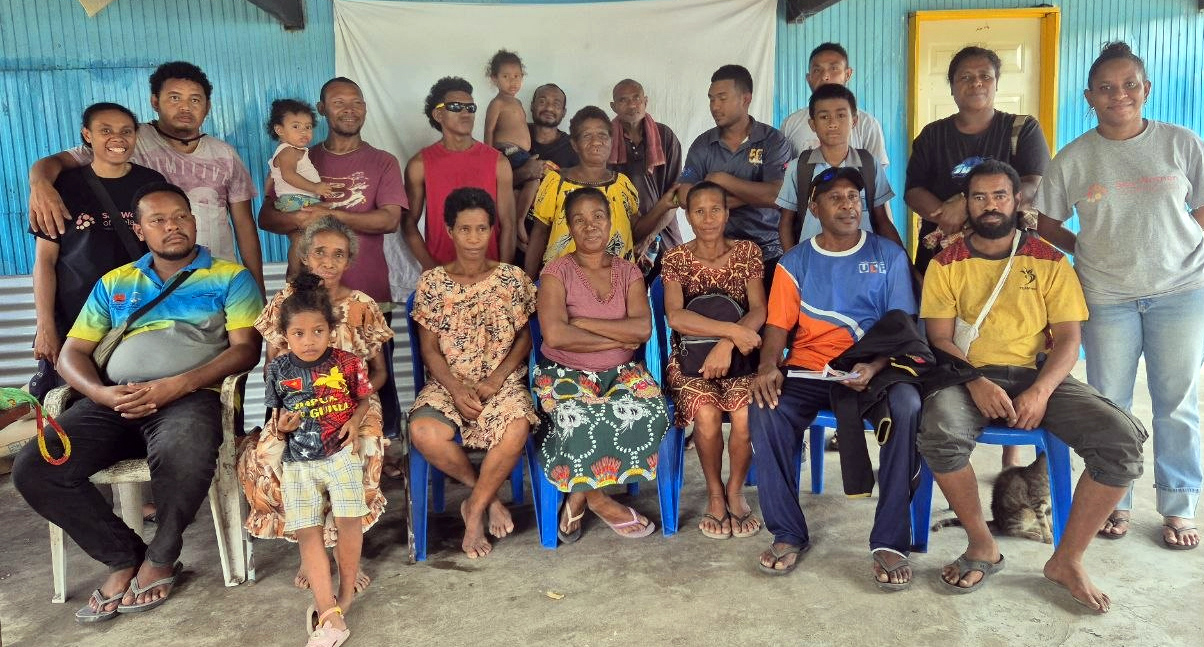
At Gabagaba, the team delivered a 4-day LMMA Education and Awareness Workshop with youth, women leaders, church leaders, village elders, local representatives, CEPA and Central Province Fisheries. This community engagement provided the platform for the later Gabagaba reef survey training expedition aboard MV Golden Dawn, where SWoM members worked with local fishermen to mark permanent monitoring transects and collect ReefCloud survey imagery from the proposed LMMA reefs.
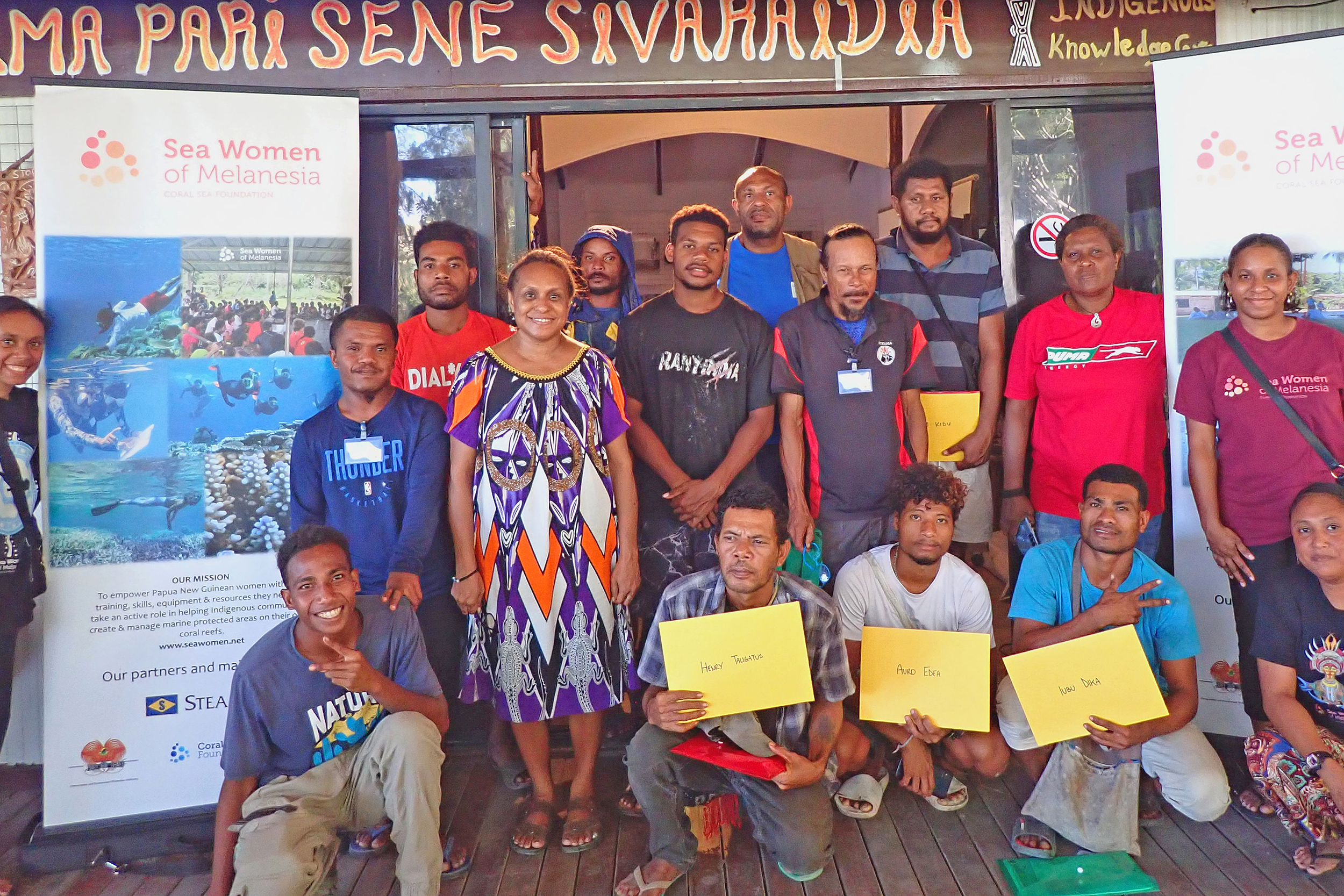
The Port Moresby team has also expanded its work through a new partnership with the Kyeema Foundation, supporting marine conservation awareness, reef mapping and baseline survey work at Taurama and Pari. Working alongside community fishers, the team collected the first reef survey imagery from these communities for analysis through ReefCloud.Ai, helping prepare the ground for future LMMA development.
Importantly, the Kyeema partnership also represents a new element in the SWoM program: paid marine conservation consultancy work. This is an encouraging early example of how SWoM’s skills in community engagement, reef survey methods, ReefCloud data collection and LMMA support can generate earned revenue for the organisation while helping other conservation partners deliver high-quality community-based marine management.
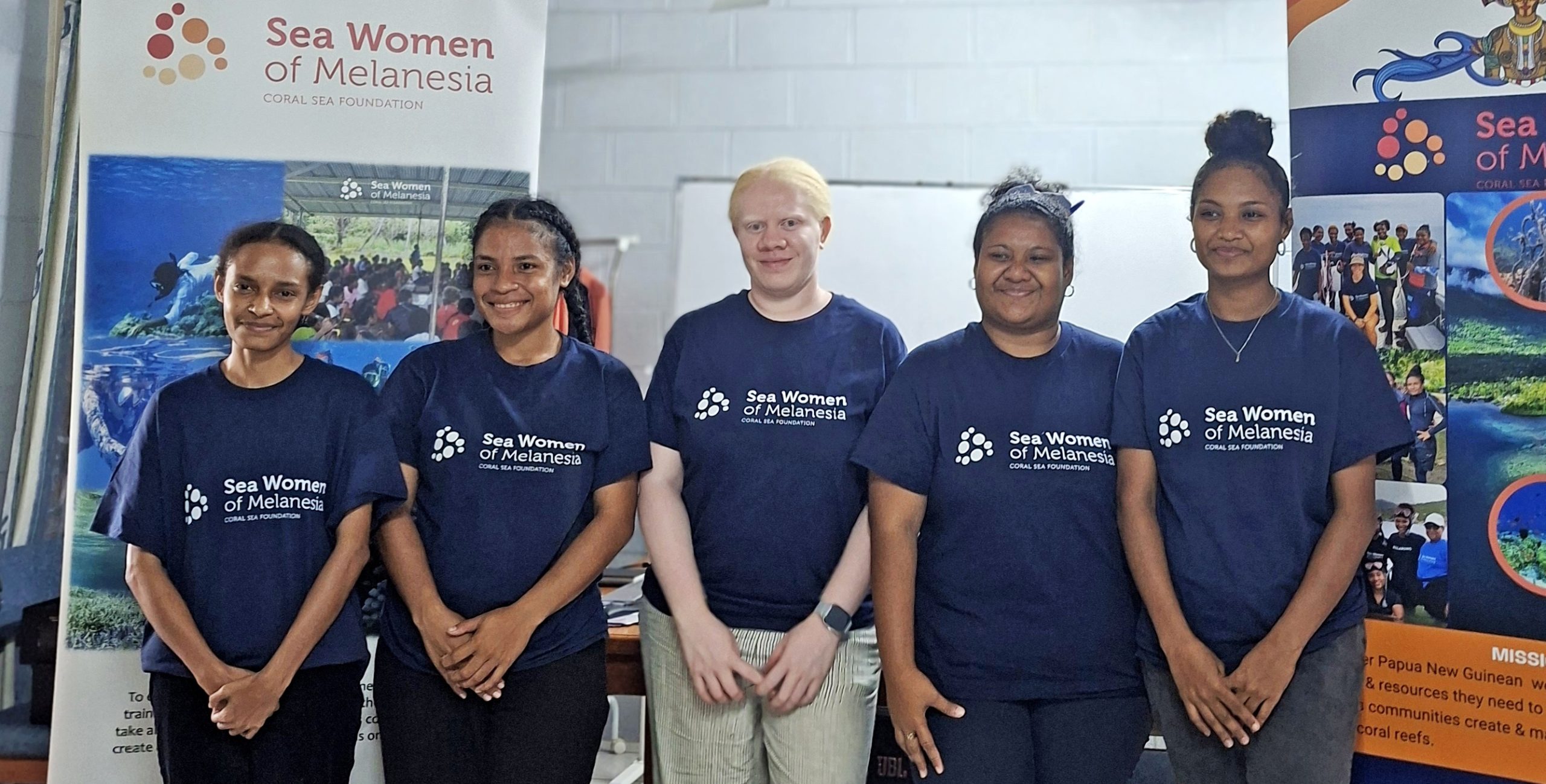
The team also delivered a Core Team Training Program for new Port Moresby trainees, covering SWoM’s mission, LMMAs, coral reef ecology, reef monitoring, GPS navigation, camera handling, expedition planning and marine survey techniques. Despite challenging weather and sea conditions, the trainees put these skills into practice during field training at Taurama, Tutu Beach Retreat and Pari Village.
We congratulate the Port Moresby team and their 2026 Core Team trainees, Grace Tembil, Milagrohera Noka, Stephanie Pupua, Lyvinia Samuel and Kayren Corey, and thank the Tubusereia, Gabagaba, Pari and Taurama communities, Kyeema Foundation, Ginigoada Foundation, CEPA, Central Province Fisheries and SWoM’s program partners for supporting this important work.
Kimbe Bay and West New Britain Province – long-term reef monitoring and LMMA continuity
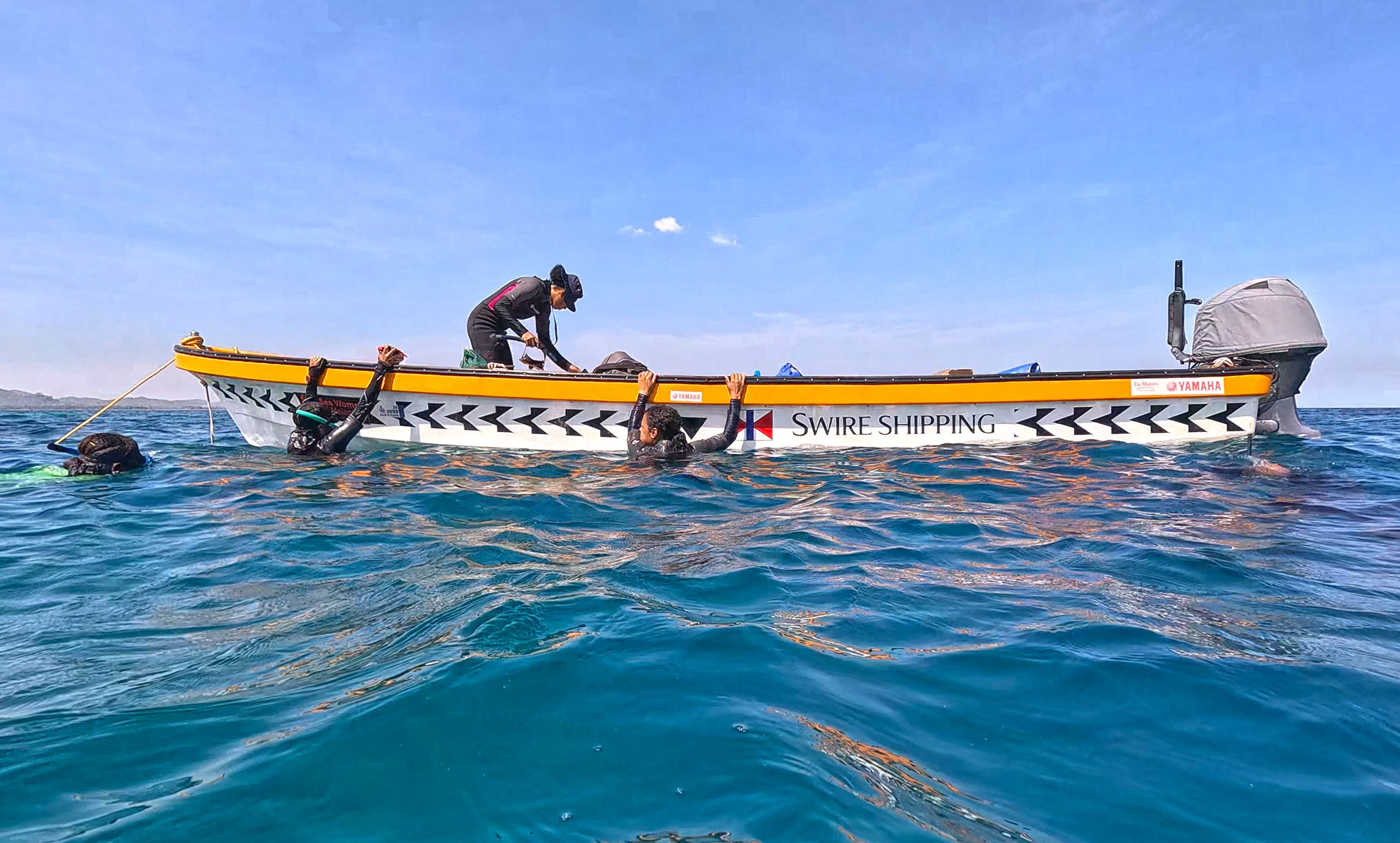
The Kimbe Sea Women of Melanesia team led by Tiana Reimann continues to advance skill development in the local women and their survey work has provided important long-term reef monitoring data along the north coast of New Britain and the southern Bismarck Sea.
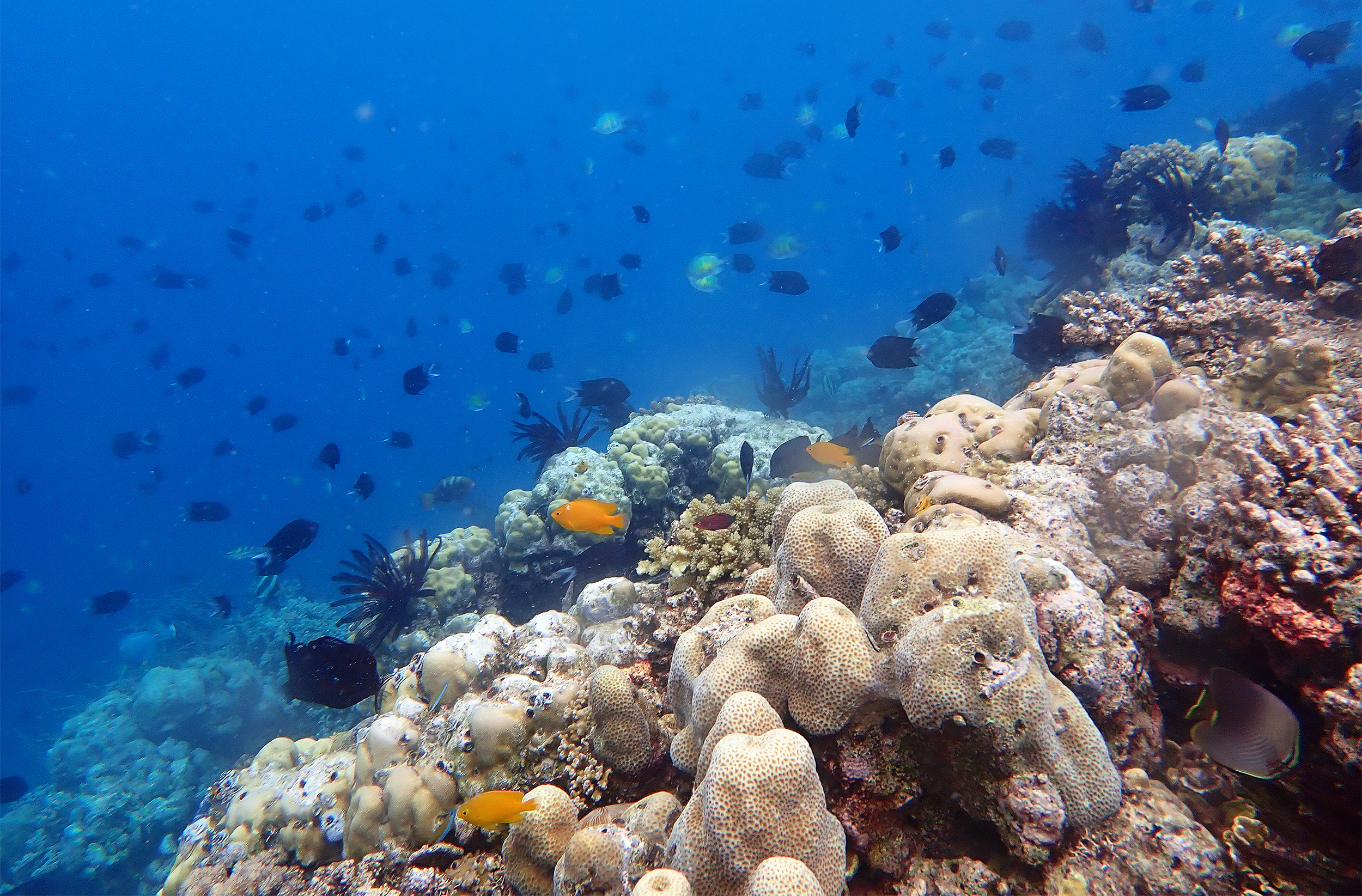
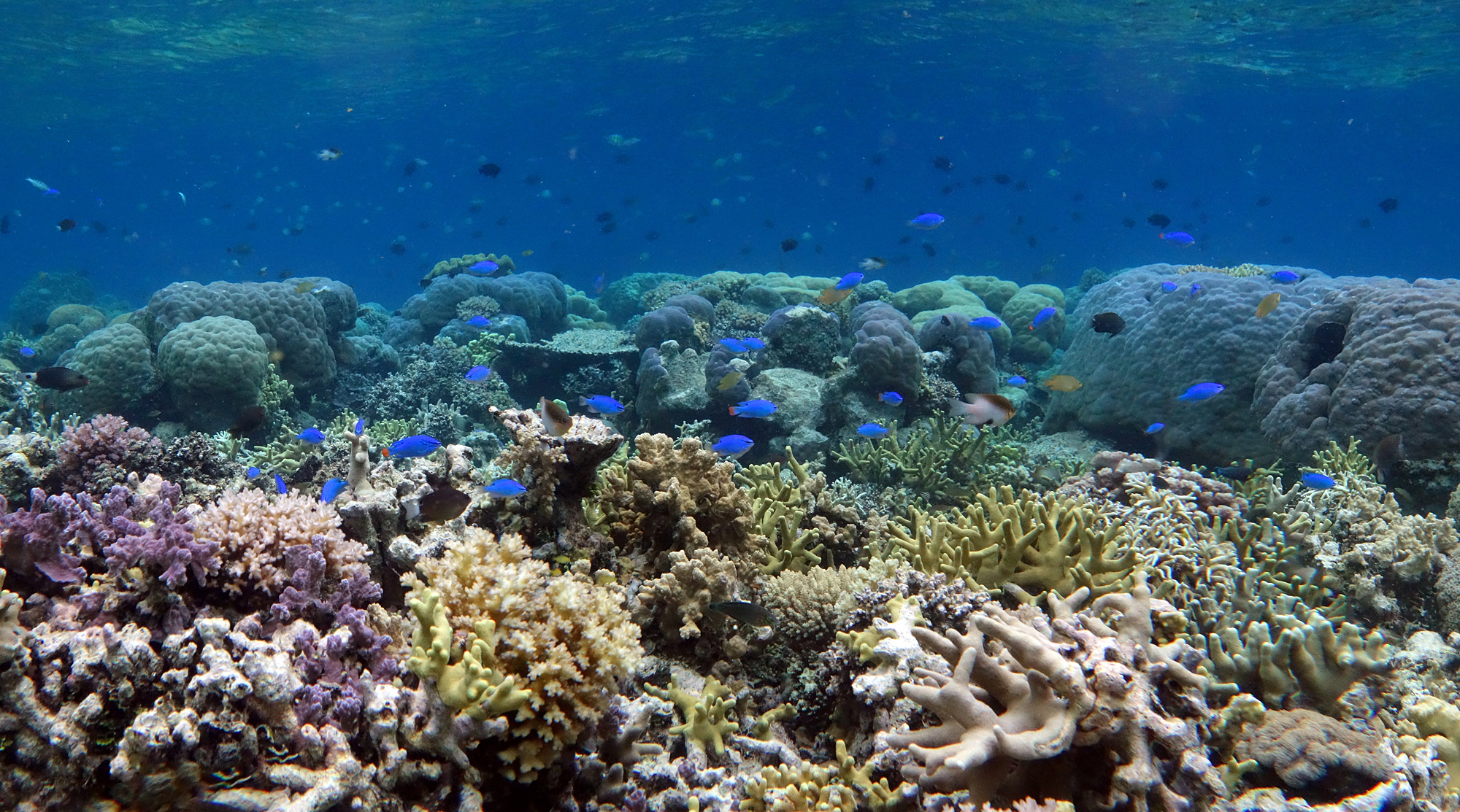
Over the first half of this year, the team added another 16 reef surveys to our ReefCloud.Ai Project, including repeat surveys at the Pelelua Reefs LMMA and the Talele Islands on the north-west tip of New Britain. The team’s ongoing work at the Pelelua Reefs remains especially important. Following a severe Crown-of-Thorns Starfish outbreak in 2023–24, and a coral bleaching heat stress event over the summer of 2024-25, coral cover on the Pelelua Reefs declined from 45% to 10% and the reefs are now in an early recovery stage. The repeated monitoring by the SWoM team is now showing its value, with detailed data collected on the susceptibility of different coral types and the responses in the fish community. This kind of local, repeatable, in-water monitoring is essential for understanding what is actually happening on PNG reefs, and for ground-truthing regional bleaching and heat-stress models.
The Kimbe program continues to show the value of having skilled Indigenous women based close to their own reef systems, able to return to the same sites over time, share findings with communities and help translate reef condition data into practical management action.
ReefCloud – community reef data from across Papua New Guinea
The Coral Sea Foundation and the Sea Women of Melanesia continue to work with the Australian Institute of Marine Science to improve access to reef condition information through ReefCloud.Ai.
By mid-2026, the SWoM PNG ReefCloud project contained more than 16,500 survey images from more than 200 reef sites, collected by the Port Moresby, Milne Bay and Kimbe teams. This is one of the most significant community-led reef monitoring datasets in Papua New Guinea.
ReefCloud.Ai rapidly analyses survey imagery and generates reef status information that can be used by communities, conservation organisations and management agencies. This is especially valuable in PNG, where many of the most important reefs are remote, difficult to access, and rarely monitored by formal government or academic programs.
The ReefCloud Community Dashboard project is designed to make this information more useful for partner communities and management agencies, while recognising the traditional ecological knowledge and local context linked to each reef system. Better reef data does not replace local knowledge, but it can strengthen community decision-making and help communities track whether their marine management actions are working over time.
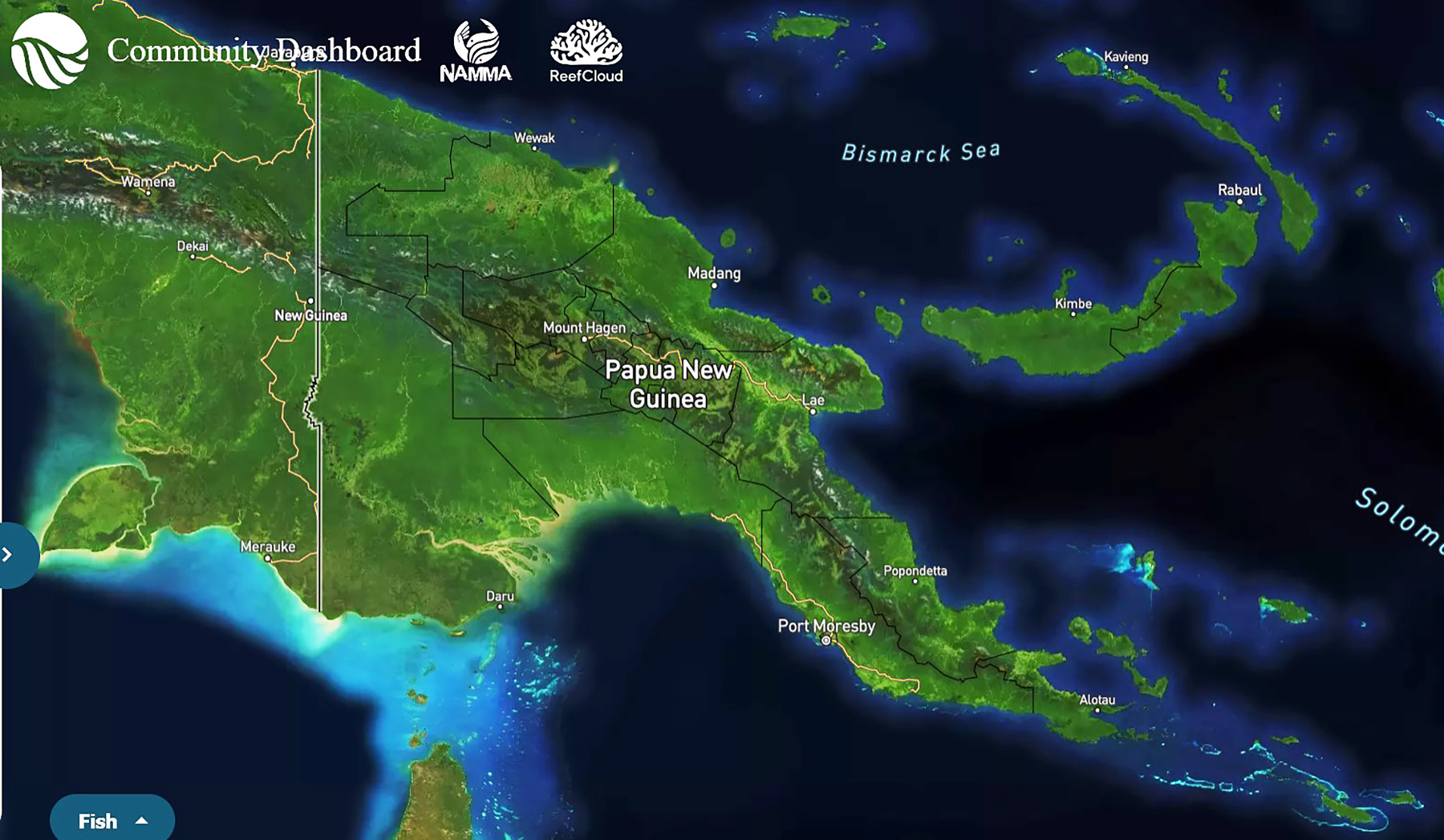

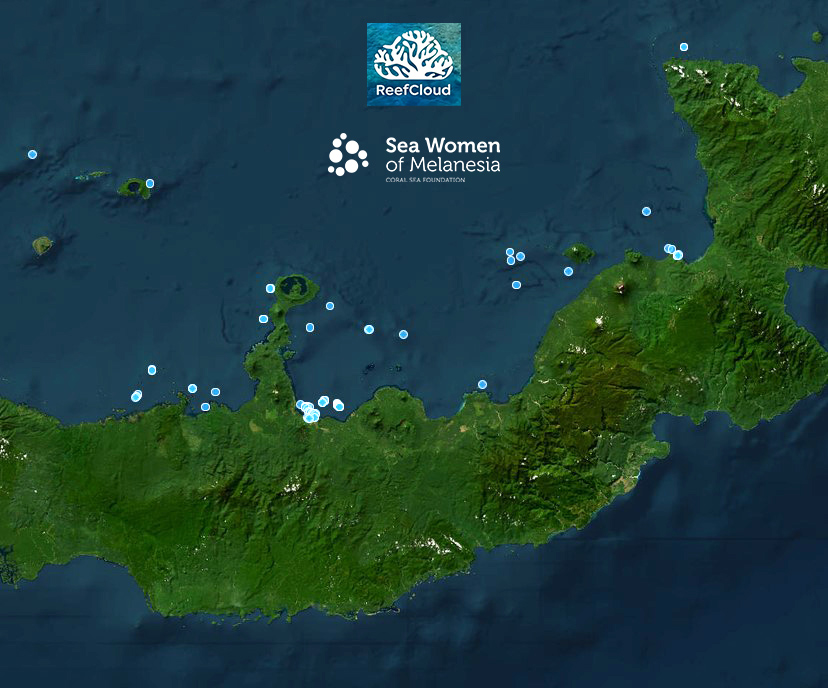
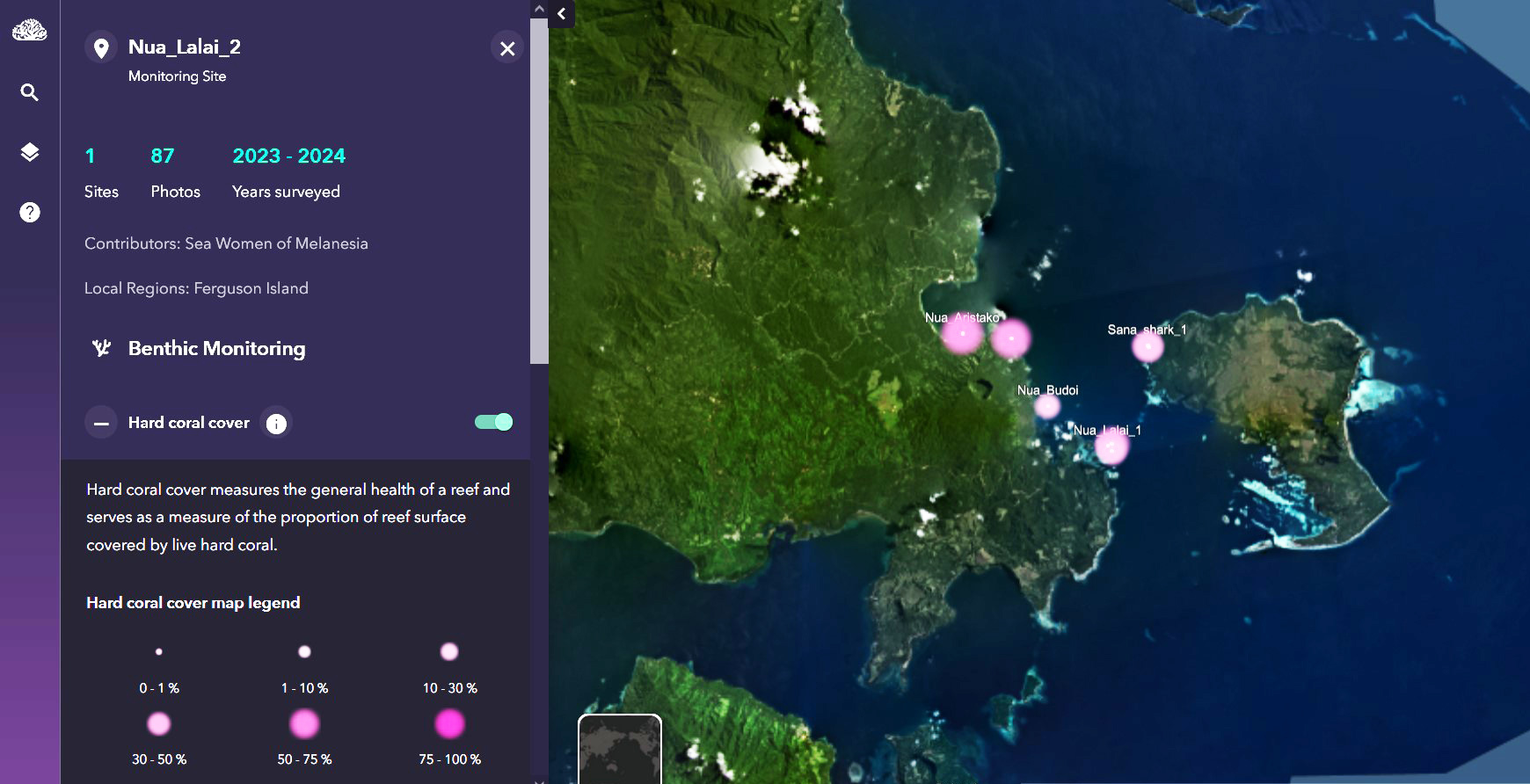
Check our PNG survey results on the ReefCloud Public Dashboard
Our teams have been busy collecting reef survey imagery from around Papua New Guinea, and summary results are available to view on the AIMS ReefCloud Public Dashboard.
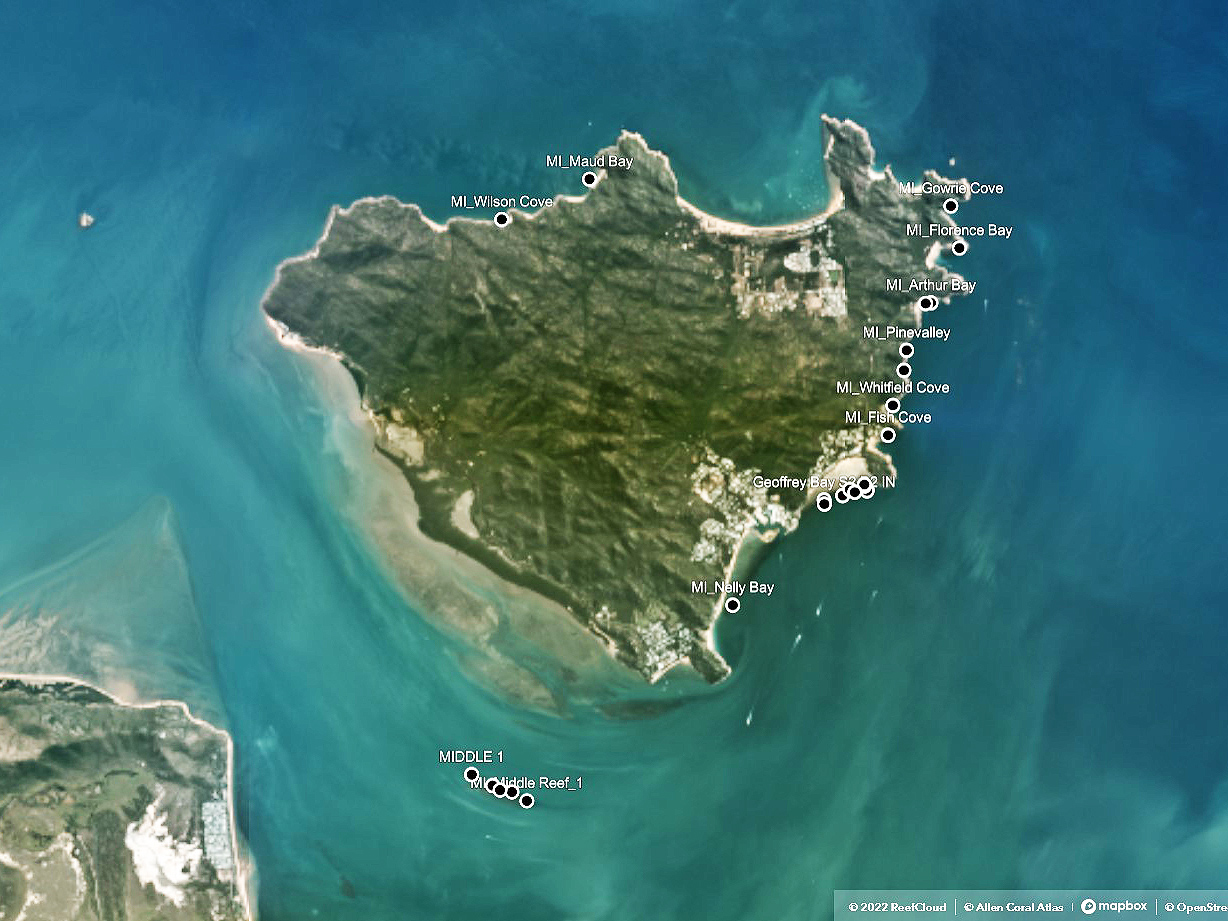
Zoom in on an area of interest and click the dot to see survey information for that site. In the left-hand menu bar, you can also toggle map layers such as satellite imagery and reef geomorphic zones from the Allen Coral Atlas.

Sea Women Great Barrier Reef: Indigenous women leading the next phase of training
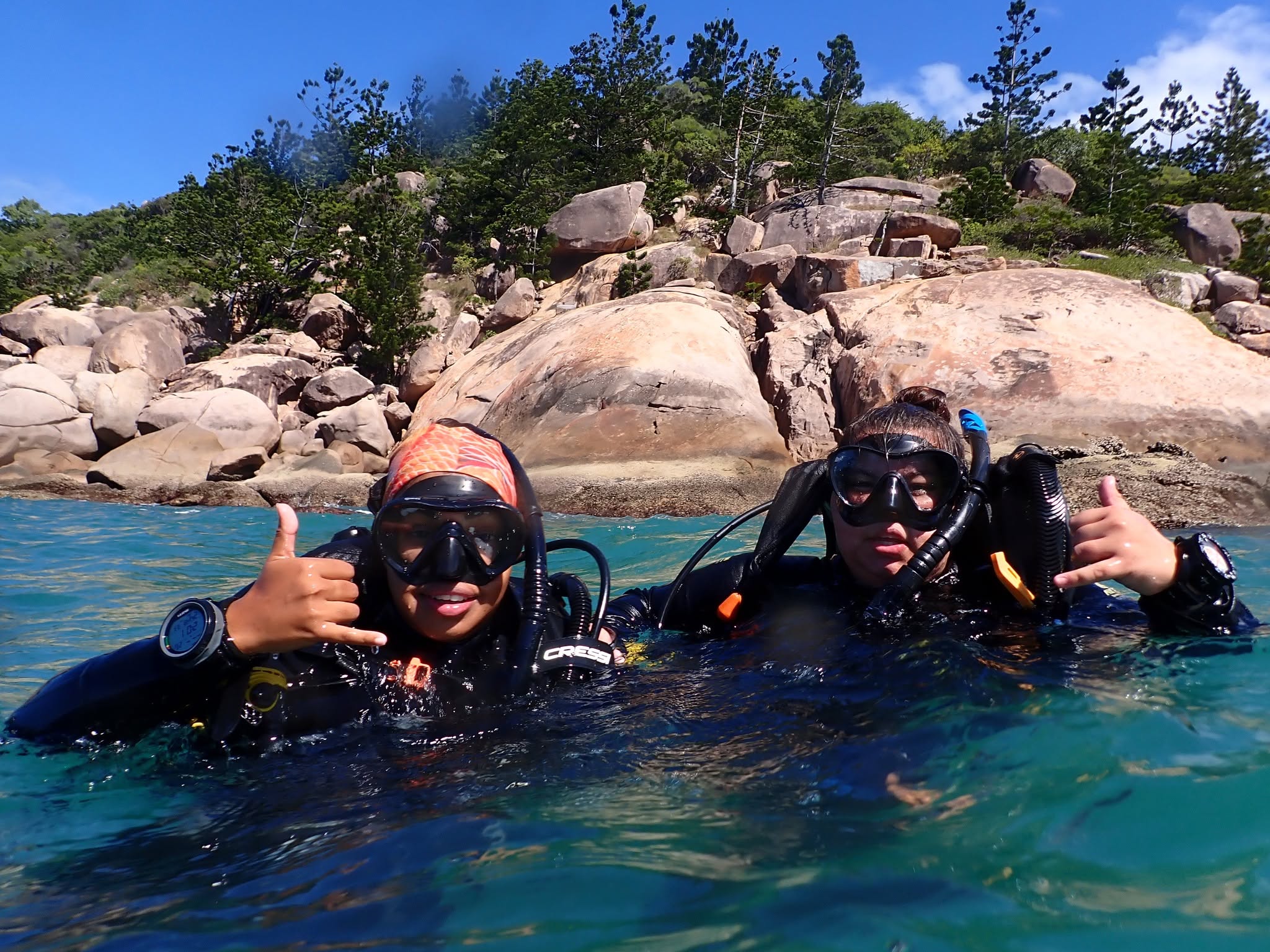
The Sea Women Great Barrier Reef program continued in 2026 with a very special training delivery on Wulgurukaba Country at Yunbenun / Magnetic Island. This was the first SWGBR program led by Indigenous women from within the program itself, with Francis and Olivia, both participants in the first Sea Women Great Barrier Reef program in 2023, stepping into leadership and mentoring roles.
The 2026 trainees, Destiny and Shantaishe, began their Open Water Dive course with Pleasure Divers Magnetic Island, building confidence underwater and completing their first ocean dives despite challenging weather and visibility. We are proud to share that both women are now certified Open Water divers.
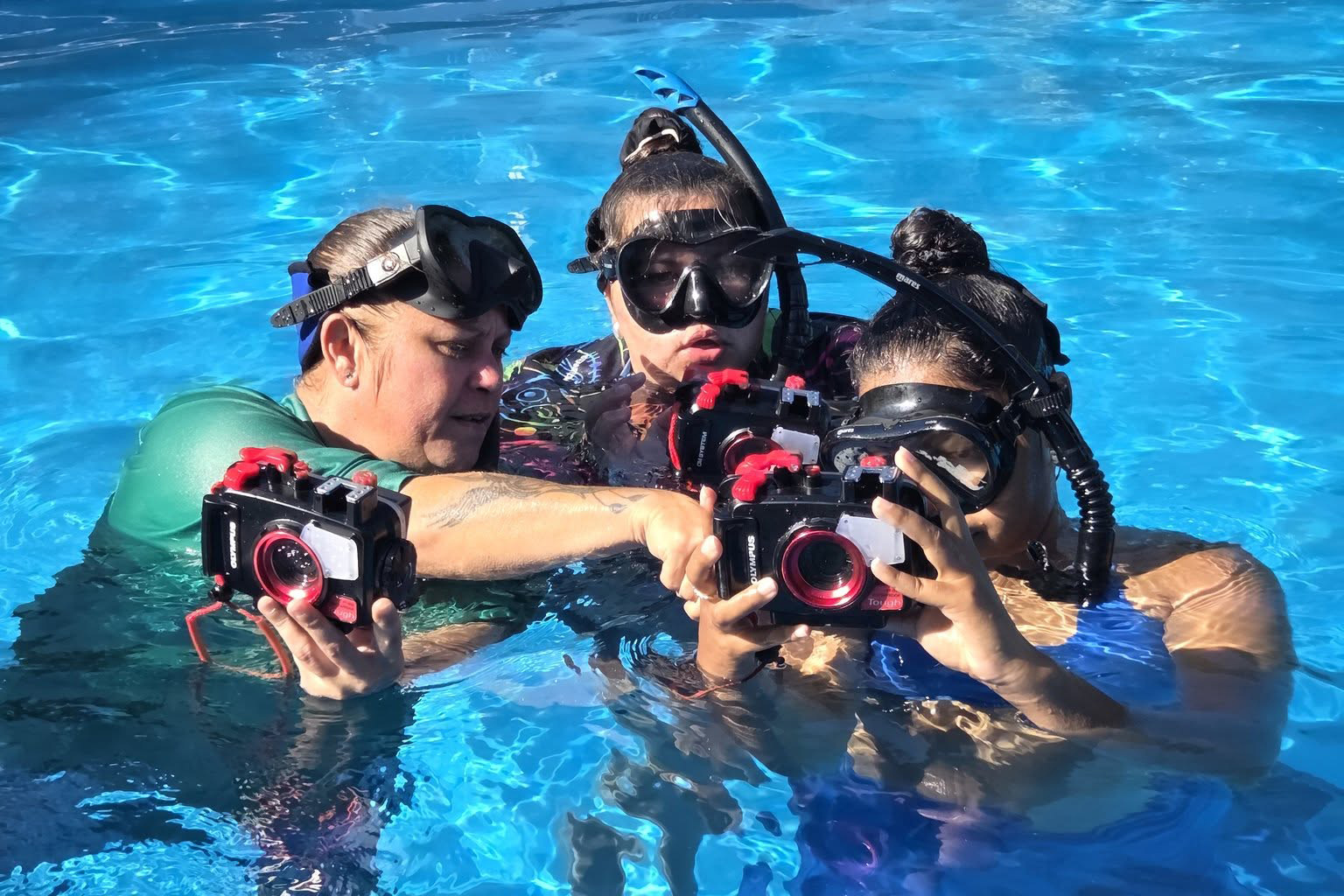
While strong winds limited some field activities, the training continued in the pool and on land. Francis and Olivia introduced the trainees to underwater camera work using TG6 survey cameras, coral survey methods, reef monitoring skills and practical GPS navigation. The group also used the Forts Walk track to build GPS confidence and deepen their connection with the landscapes and sea country around Yunbenun.
This program shows the long-term value of the Sea Women training model: women who began as trainees are now leading, mentoring and passing skills on to the next cohort. As the Great Barrier Reef faces increasing pressure from climate change, cyclones, flood plumes and local impacts, building practical sea-country monitoring capability with First Nations women remains one of the most important contributions CSF can make.
We extend our sincere thanks to Francis, Olivia, Destiny and Shantaishe, to Pleasure Divers Magnetic Island, and to the donors and partners who continue to support the Sea Women Great Barrier Reef program.

Magnetic Island – local reef monitoring and reef-status updates
The Coral Sea Foundation’s local monitoring around Yunbenun – Magnetic Island continues to provide current, science-informed reef status information for the island community, Traditional Owners, managers and supporters.
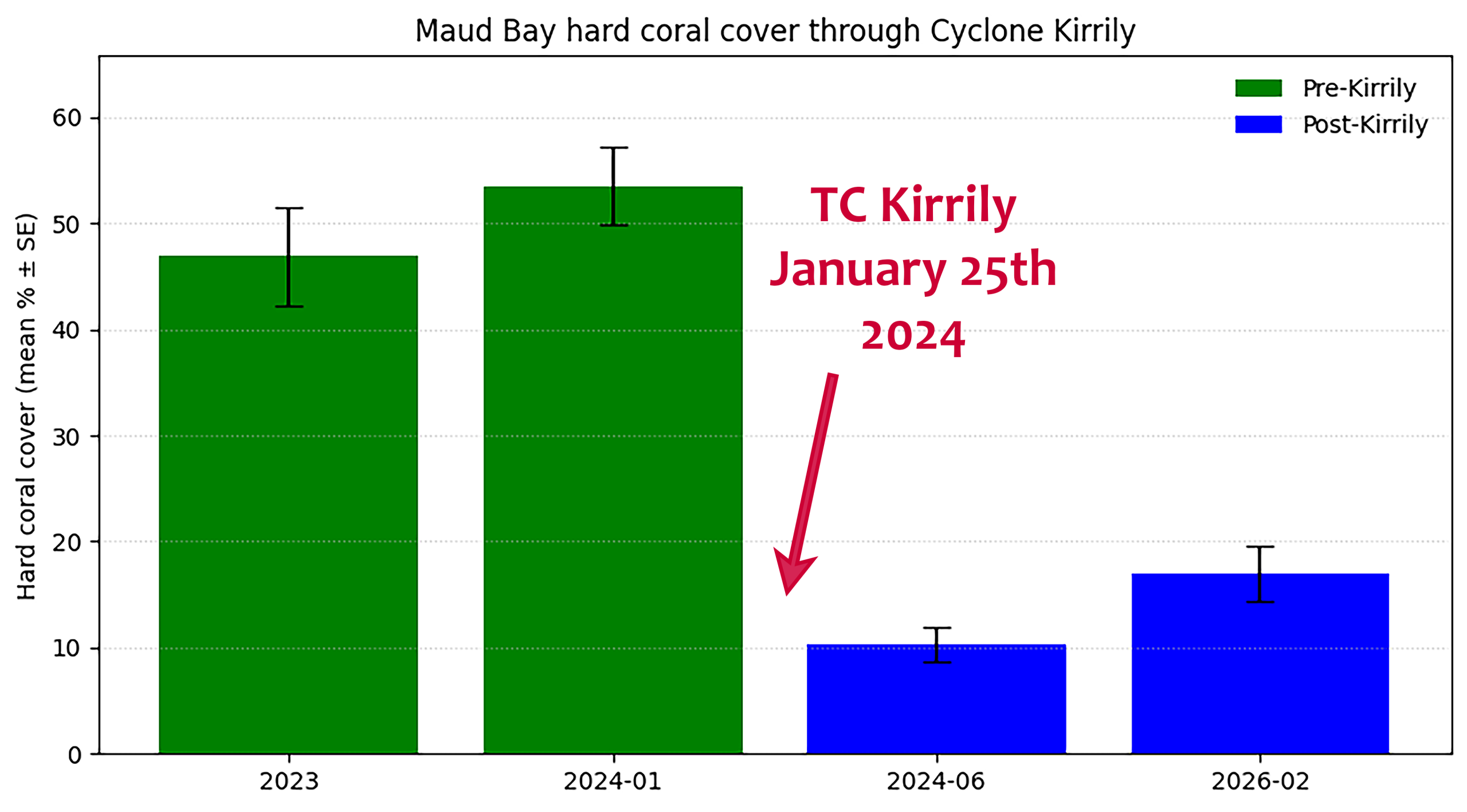
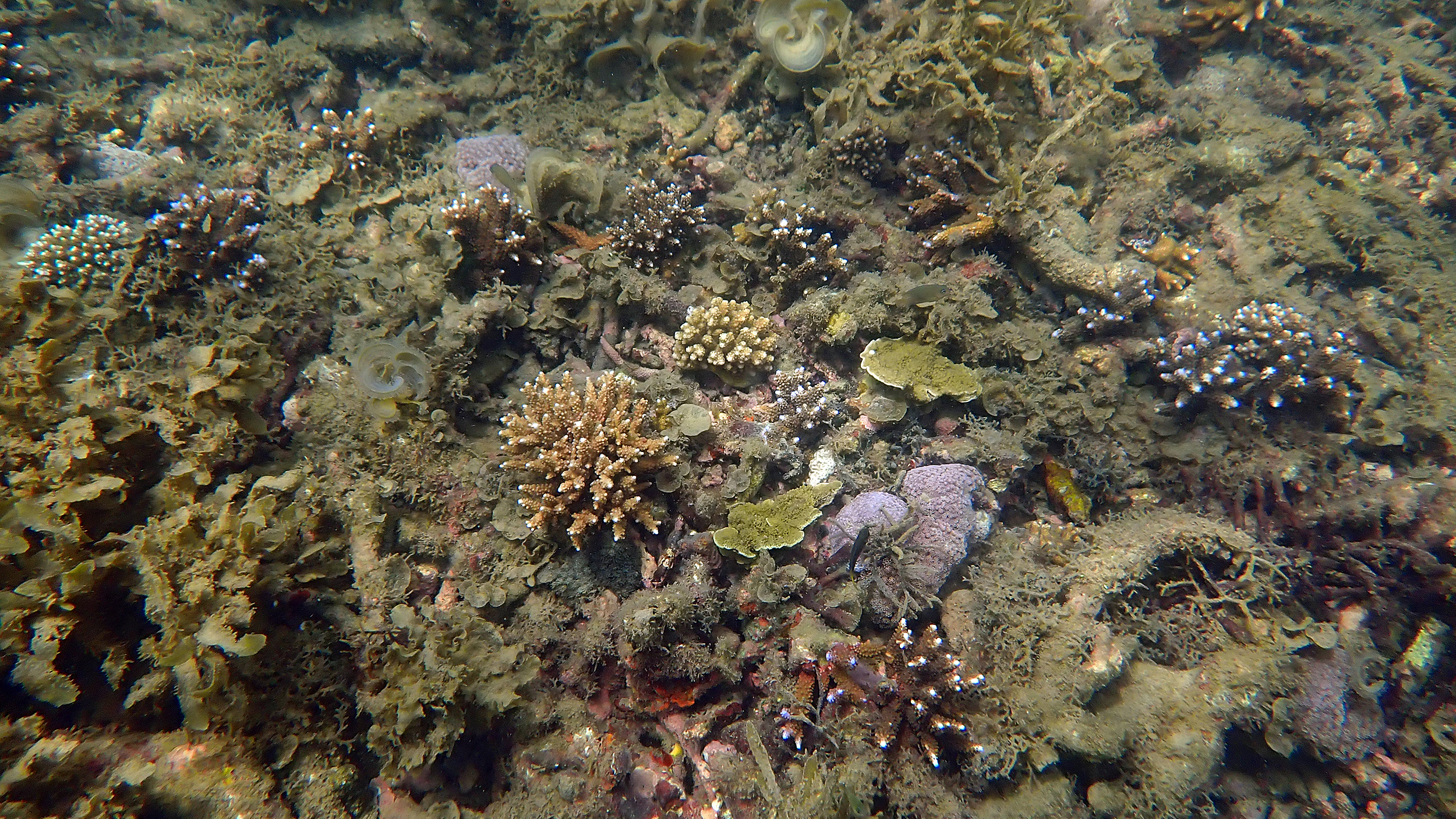
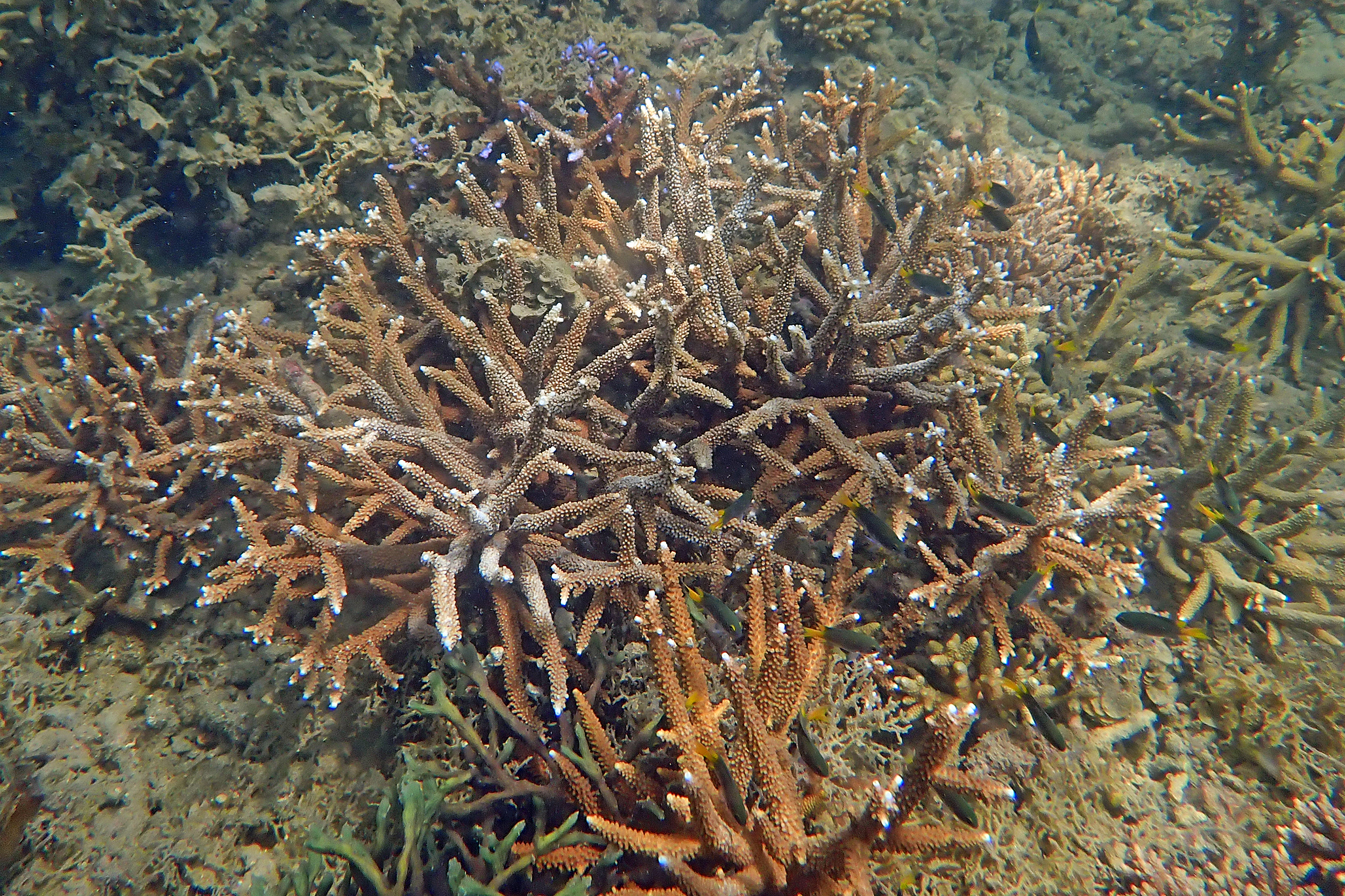
One of our most important recent surveys was at Maud Bay, on the north side of Yunbenun, within a Marine Protected Green Zone in the inshore Great Barrier Reef. This reef sits in naturally turbid coastal water, where visibility is often too poor for monitoring, but it supports extensive hard coral growth, including delicate branching Acropora corals across the shallow reef flat.
Our Maud Bay transect recorded around 55% live hard coral cover in early 2024, shortly before Cyclone Kirrily crossed the region on 25 January. The cyclone caused severe physical damage, and by June 2024 coral cover had dropped to around 11%. After a long period of poor visibility, a recent clear-water window finally allowed us to resurvey the site.
The results were encouraging. Coral cover has increased from 11% to 17%, with fresh coral growth and widespread juvenile coral settlement across the damaged reef surface. This recovery is occurring despite high sediment loads, high macroalgal cover and extensive rubble fields: conditions usually considered challenging for coral recovery.
The Maud Bay survey is a useful reminder that inshore coral communities have evolved over millennia in naturally stressful coastal environments, and can retain strong recovery capacity when repeated physical damage does not occur too frequently.
Latest reef videos – parrotfish feeding and reef condition snapshots.
Video is one of the most effective ways we share information with our supporters. The short films below provide useful insights into ecosystem function and reef condition, and there is much more content on the Coral Sea Foundation YouTube Channel.
Parrotfish Feeding Biology draws on the latest research about the diets of this important group of fishes, while also helping to correct simplistic messages about parrotfish, algae and coral reef recovery.
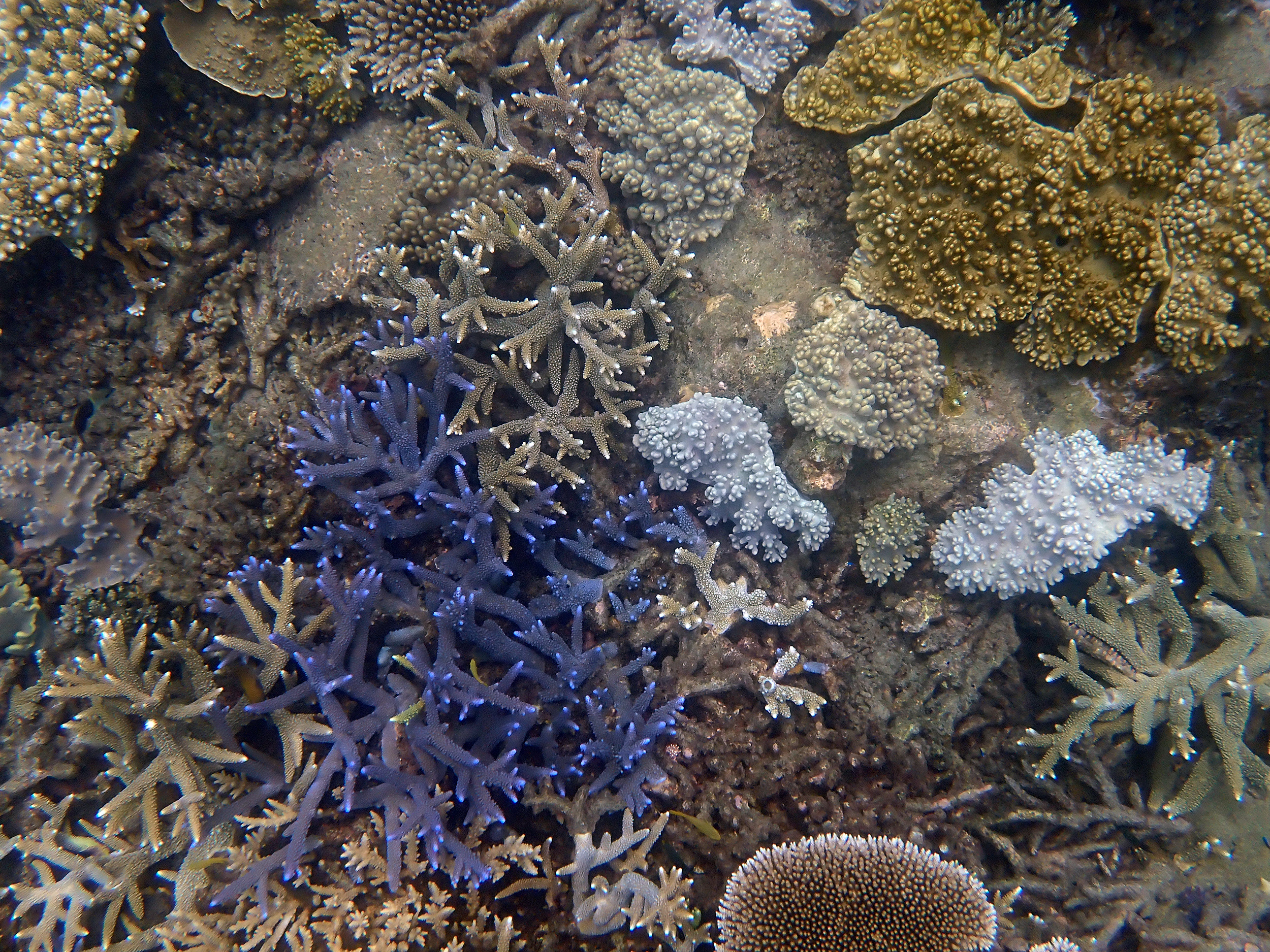
Turtle Beach Reef delivers beautiful footage of the unique coral assemblage at this site at Jiigurru, Lizard Island, which is the only area around the island dominated by foliacious Montipora coral colonies.
ReefCloud volunteer program – open to join
The Coral Sea Foundation regularly uploads new survey imagery to our ReefCloud.Ai project space, and we would love your help to classify imagery and train the AI.
We are actively recruiting volunteers to help analyse reef survey imagery from multiple Great Barrier Reef and Papua New Guinea locations. You do not need to be a marine biologist. Free coral identification training materials are provided, and it is a great way to improve your coral ID skills while seeing current reef condition imagery from sites across the Coral Sea region.
As part of our Magnetic Island Reef Monitoring Project, we have mapped repeat monitoring sites around Yunbenun using GPS and natural underwater reference points. All data is accessible through the ReefCloud Public Dashboard.
Ready to help? Visit ReefCloud.Ai or email [email protected]
Thank you to our supporters
None of this work would be possible without the generosity and commitment of our donors, members, partners and friends.
We extend our sincere thanks to the communities who welcome our teams onto their sea country, the women who continue to step forward as conservation leaders, the field teams who do the hard work in challenging conditions, and the many organisations and individuals who provide the funding, equipment, mentoring and encouragement that keep these programs moving.
In particular, we thank the Paul M. Angell Family Foundation, Tanka Foundation, Oceans 5, Sall Family Foundation, OCEAN Grants Programme / UK Government Blue Planet Fund, Irish Aid, Olgeta Foundation, Rumah Foundation, Australian Institute of Marine Science, Steamships PNG, British High Commission Papua New Guinea, Sarah & Sebastian, Big Blue Ocean, Jock Clough Marine Foundation, Wright Burt Foundation, Kristin Lindblad, Whitley Fund for Nature, and all of our private donors and members.
Your support is helping Indigenous women lead practical marine conservation across the Coral Sea region, from the reefs of the Great Barrier Reef to the remote islands and coastal communities of Papua New Guinea. Thank you for standing with us.